The Fabric Detail Most Bedrooms Ignore (But the Room Notices)
A tranquil bedroom is shaped as much by subtle details as by big-ticket items. Interior designers stress that bedding should be a sanctuary, advising to “never skimp on quality” when choosing sheets and linens. Even tiny fabric details – a hem, stitch, or the fineness of the weave – can instantly elevate the room’s perceived quality and calm. In other words, it’s often these hidden touches that whisper luxury to anyone who pauses long enough to notice.
The Edge of Elegance: Hem and Stitch Details
 The way your sheets and pillows are finished at the edges makes a quiet statement. For example, a double-fold hem – where the fabric is folded twice and stitched – gives a crisp, polished edge that looks neat and holds up well. A simpler single-fold hem (just one fold) saves material and cost, but it’s less durable and can fray over time. Luxury bedding often uses special hems: a bind hem wraps a narrow strip of fabric around the edge for a professional finish, and a rolled hem rolls the edge tightly into a very narrow seam for a delicate, elegant look.
- Double-fold hem: Two folds create a strong, durable edge with a clean, tailored appearance.
- Single-fold hem: One fold (quicker and cheaper) yields a simpler edge that may not endure as long.
- Bind/rolled hem: Decorative edges that wrap or roll the fabric offer smooth, refined finishes often found on fine linens.
Design pros also point out practical factors when evaluating these hems: durability (double or bound hems last longer), comfort (bound/rolled edges feel softer against skin), aesthetics (knife-edge hems look modernly clean, while any decorative stitching or lace trim adds subtle luxury), and cost (simple hems are budget-friendly; intricate hems take more labor). For instance, many luxury sheets use a “knife-edge” or “no-flange” finish – essentially a plain border – to achieve a streamlined, timeless look. Others might include barely-there lace or hemstitching insets to lend a handcrafted feel without overpowering the design. These nuances at the seams and borders convey care and craftsmanship that the room absorbs.
Weave, Thread Count, and Fabric Texture
 Beyond edges, the actual cloth of your sheets speaks volumes. It’s tempting to focus on a high thread count label, but experts warn this number alone isn’t what makes sheets soft or breathable. In fact, after about 400–500 threads per inch, adding more threads only packs the fabric tighter, making it heavy and less airy. Instead, look at the fiber quality and weave pattern: long-staple cottons or linen flax produce smoother, stronger yarns that resist pilling. For example, a cotton percale (a one-over-one-under weave) feels crisp and cool, ideal for a fresh, hotel-like atmosphere, whereas a sateen weave (three-over-one) yields a silky sheen that feels cozy and drapey. Linen, with its naturally thicker yarns, adds relaxed texture and breathability to a room’s palette.
Key factors to check in fabric construction include:
- Thread Count vs. Quality: Thread count isn’t everything. Premium sheets often have optimal counts (300–500) but owe their feel to fiber and finish. A very high count can even backfire by making sheets hot and stiff.
- Fiber and Yarn: Seek long-staple fibers like Egyptian or Pima cotton, or pure linen. These long fibers make softer, more durable yarns. Short fibers (as in some blends) tend to feel rough.
- Weave Style: The weave affects texture and look. For instance, percale is crisp and breathable (think luxury hotels), while sateen is smoother and slightly warmer. Either can feel luxurious if the material is top-grade.
- Finishing and Stitching: Finishing treatments (enzyme washes, stone washing) and precise stitching determine the feel after laundering. Well-finished fabric will feel supple and look even; uneven or loose stitches can give away lower quality.
By eye and touch, fine-weave linens or well-behaved cotton often look and feel finer. If your fabric drapes fluidly, holds a gentle crease, or the weave looks tight and uniform in a close-up, that’s a good sign. The room as a whole will feel more soothing when its textiles are of natural, breathable fabrics – the subtle weight and texture of linen or cotton percale adds to that calm without needing flashy patterns or colors.
Quiet Luxury in Bedding: An Understated Look
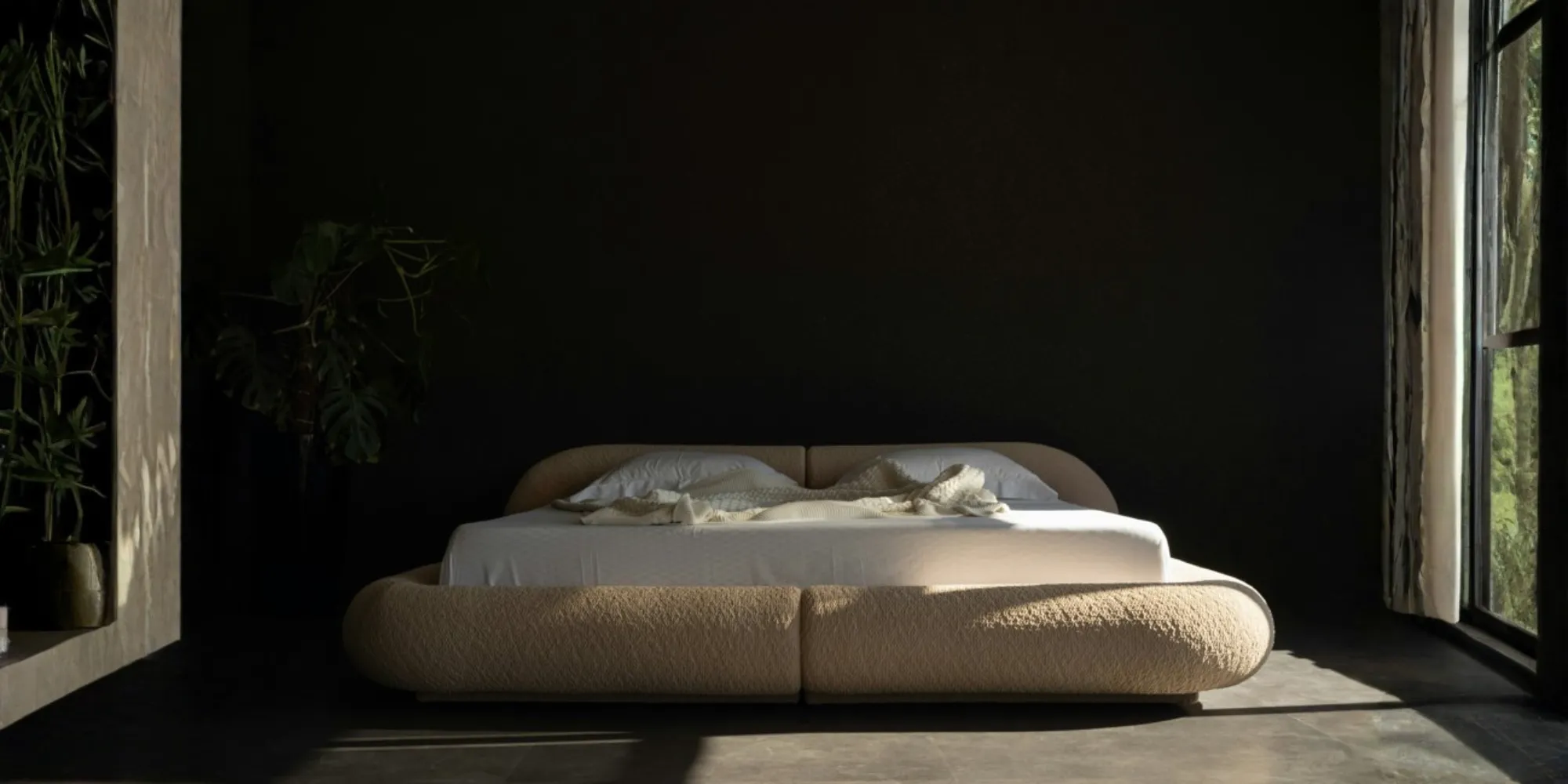 Today’s “quiet luxury” trend in interiors is all about restraint: the most opulent bedrooms often look the simplest. As one luxury retailer notes, serene linens pair minimal form with high-end materials. In practice, that means crisp monochrome bedding, flawless edges, and perhaps a hint of subtle detail. For example, a high-end sheet collection might use a plain knife-edge border on flat sheets for that clean look, or integrate a very fine macramé lace inset at the pillowcase as a tiny flourish. These touches don’t scream for attention, but they read as sophisticated.
- Clean Lines: Strive for simple borders (no giant ruffles or loud frills). A knife-edge or piped hem makes the linen look sharp and modern.
- Neutral Palette: Soft whites, ivories, grays or gentle pastels let texture do the talking. A calm, coordinated color scheme emphasizes uniformity and relaxation (designers find that serene neutrals create a soothing backdrop).
- Quality over Quantity: It’s better to have a few well-made layers than many wrinkled ones. Think one high-thread-count sheet set, a plush duvet or blanket, and just a couple of quality pillows. Each piece should feel solid and well-assembled.
- Subtle Accents: A folded throw, a textured lumbar pillow, or a quilted detail can echo the main fabric’s weave. But use them sparingly. Over-accessorizing can break the calm – better to have one standout textile with perfect stitching than several okay ones.
In the end, the bedroom senses care. If every corner (sheets, shams, throws, even curtains) is thoughtfully chosen and flawlessly finished, the space radiates ease and order. As the Fine Linen & Bath design team puts it, quiet luxury means “surrounding yourself with the very best” and creating a soothing environment through understated style.
Tips for the Discerning Sleeper
To capture that pulled-together, calm feeling in your bedroom, pay attention to fabric details at every step:
- Inspect the seams: Run your fingers along hems and edges. High-quality bedding will have even, tight stitching with no loose threads. Seams should lie flat. Crooked or bulky seams are giveaways of lower craftsmanship.
- Feel the texture: Good sheets feel smooth but substantial, not flimsy. Fabrics like long-staple cotton or linen should feel slightly cool and breathable. If a sheet feels glassy or plasticky (often the case in cheap microfiber), that’s a red flag.
- Check weave consistency: Hold a swatch or edge up to light. A high-quality weave will look uniform. Uneven weave or opaque patches can mean inferior yarn or a sloppy loom tension.
- Mind the thread count claim: Remember, “thread count isn’t what makes sheets soft or luxurious”. A 1,000+ count sheet isn’t automatically better than a 300 count if those threads are twisted together or of poor fiber. Always balance the count with fabric type (e.g. Egyptian cotton at 400–500 count is usually plenty).
- Evaluate after wash: After a laundering or two, good sheets will still feel smoother and look even. If you notice new fraying or the edge stitches loosening, they were likely a budget product. Top-notch linens are made to last.
- Match to your bedroom’s vibe: Finally, let these details harmonize with your décor. A “quiet” bedroom might use raw linen textures and simple stripes; a more formal one could allow a subtle embroidered border. But in either case, the fabric details should complement the room’s mood (soft and inviting) rather than clash (jarring patterns or stiff fabrics).
By giving these often-overlooked details their due, you’ll not only improve the look of your bedroom – you’ll also create a more restful retreat. In practice, that might mean choosing a flat sheet with a fine piped edge, or swapping a generic cotton set for one with silky sateen and a tasteful border. Either way, your room will notice the difference.